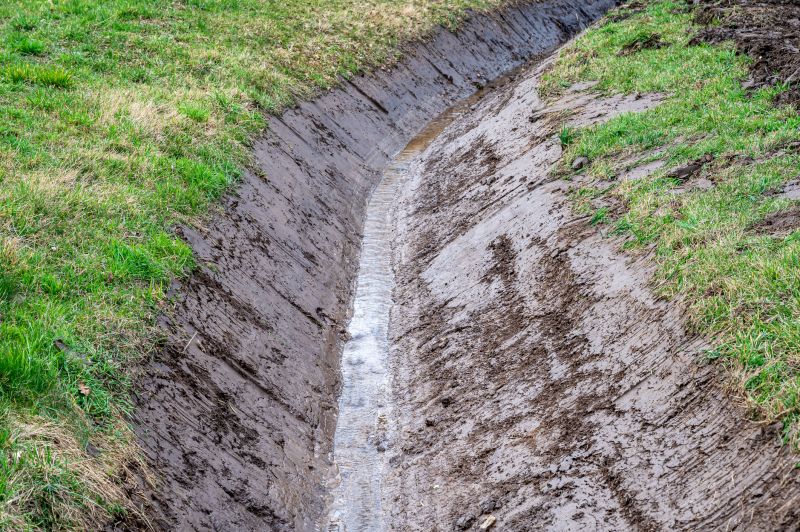
Ditch Installation in Houston, TX
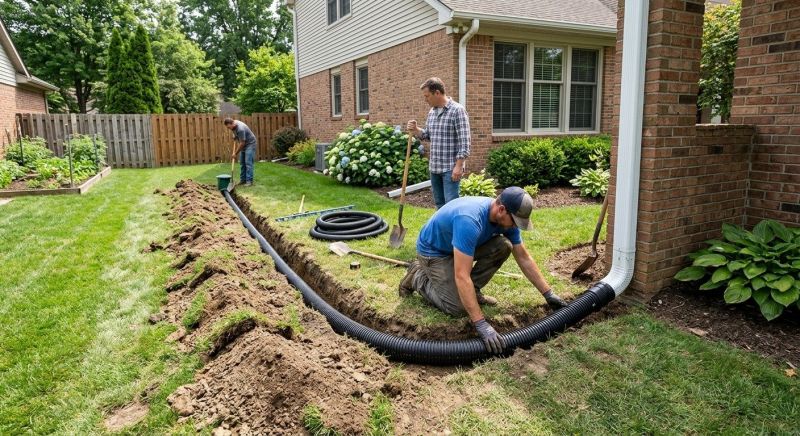
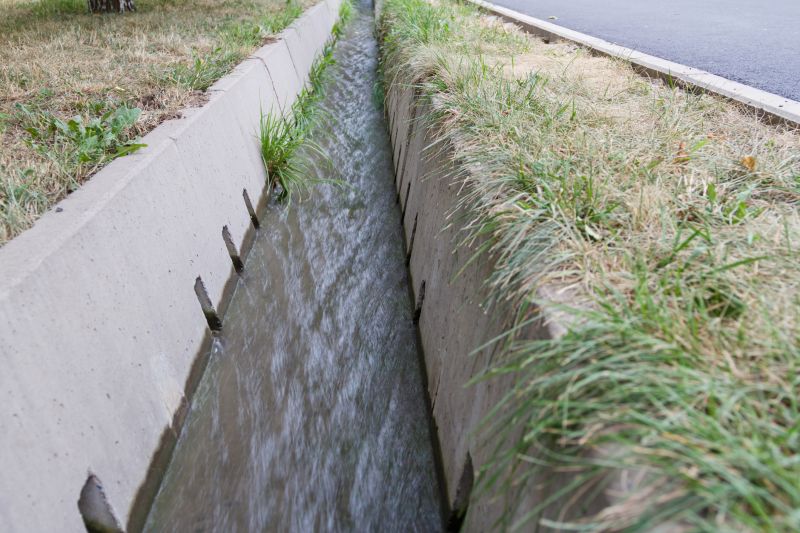
Ditch installation services involve creating channels or trenches in a property’s landscape to manage water flow, improve drainage, or prepare for underground utilities. These projects can include installing drainage ditches to prevent flooding, trenching for irrigation systems, or preparing land for foundation drainage. Homeowners considering ditch installation should understand the purpose of the project, the type of soil and terrain, and how the system will integrate with existing landscape features to ensure effective water management.
Before requesting ditch installation, property owners often want to know about the scope of work, including the size and depth of trenches needed, the materials used, and any potential disruption to the landscape. It’s also helpful to consider how the installation will impact property grading and drainage patterns. Clear communication about these details can help ensure the project meets the specific water management needs of the property and provides long-term functionality.
Many property owners in Houston, TX look into Ditch Installation for repairs, replacements, upgrades, and appearance-related improvements.
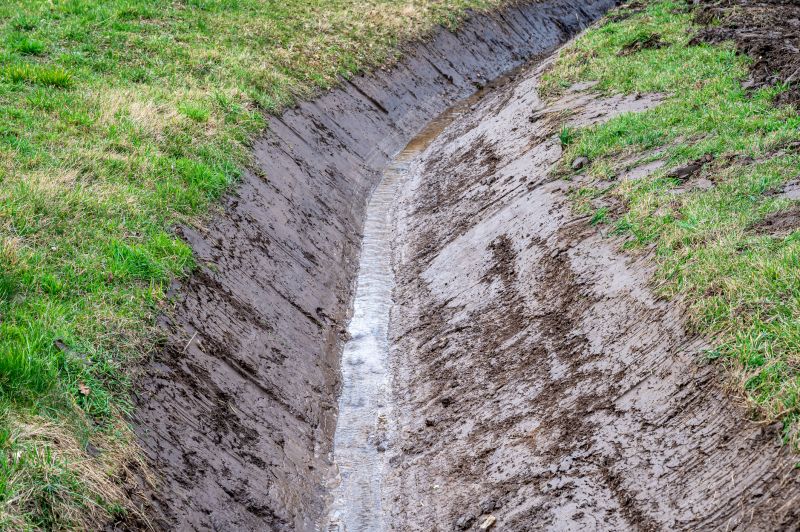
Types Of Ditches
Different ditch styles are suitable for drainage, irrigation, and property grading projects.
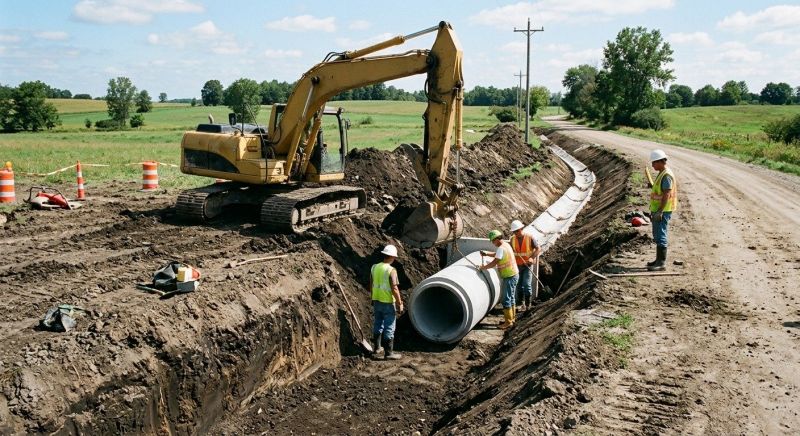
Installation Considerations
Proper planning ensures effective water flow and long-term durability of the ditch system.
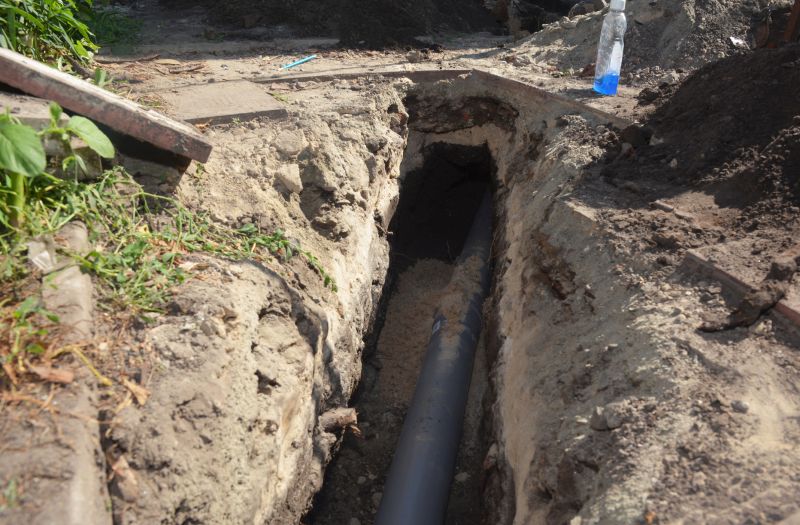
Maintenance Tips
Regular inspection and clearing help prevent clogs and keep drainage functioning properly.
Ditch Installation in Houston, TX

Ditch installation services involve creating channels or trenches in a property’s landscape to manage water flow, improve drainage, or prepare for underground utilities. These projects can include installing drainage ditches to prevent flooding, trenching for irrigation systems, or preparing land for foundation drainage. Homeowners considering ditch installation should understand the purpose of the project, the type of soil and terrain, and how the system will integrate with existing landscape features to ensure effective water management.
Before requesting ditch installation, property owners often want to know about the scope of work, including the size and depth of trenches needed, the materials used, and any potential disruption to the landscape. It’s also helpful to consider how the installation will impact property grading and drainage patterns. Clear communication about these details can help ensure the project meets the specific water management needs of the property and provides long-term functionality.
Many property owners in Houston, TX look into Ditch Installation for repairs, replacements, upgrades, and appearance-related improvements.
Common Ditch Installation Jobs
Drainage Ditch Installation - helps improve water flow around the property to prevent flooding.
French Drain Systems - directs excess water away from foundations and landscaped areas.
Swale Construction - creates gentle slopes to channel runoff safely across the yard.
Dry Creek Beds - adds aesthetic appeal while managing stormwater runoff effectively.
Surface Ditching - provides quick drainage solutions for flat or low-lying areas.
Erosion Control Ditches - stabilizes slopes and prevents soil loss during heavy rains.
Ditch Installation Questions
What is the purpose of a ditch installation? Ditch installation helps manage water flow, prevent flooding, and protect property foundations during heavy rains.
What types of projects typically require a ditch? Ditches are often used for drainage around driveways, yards, or construction sites to direct water away from structures.
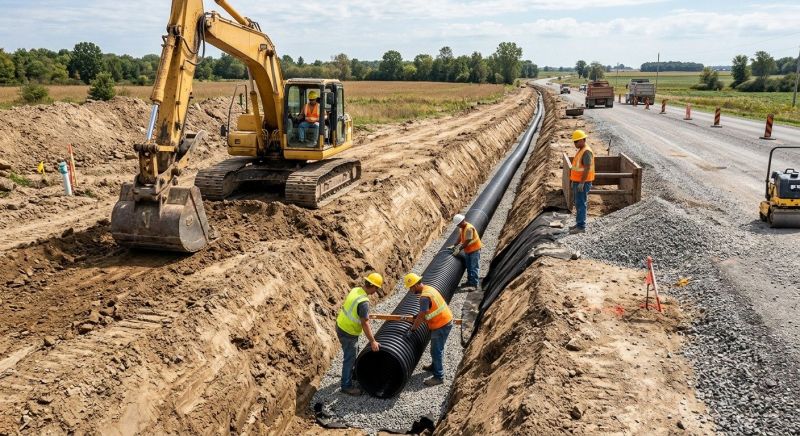
How is a ditch constructed? Construction involves excavating a trench to the desired depth and width, then shaping it to ensure proper water flow and drainage efficiency.
What should property owners consider before installing a ditch? It’s important to assess the land’s slope and drainage needs to ensure the ditch effectively directs water and fits the property layout.
Request Ditch Installation in Houston, TX
Use the quote form on this page to share the basics of your project and request more information for the type of work you need.